Emergency Event Mitigation with Starship
Can Starship delivery robots be used for Emergency Event mitigation
00
problem
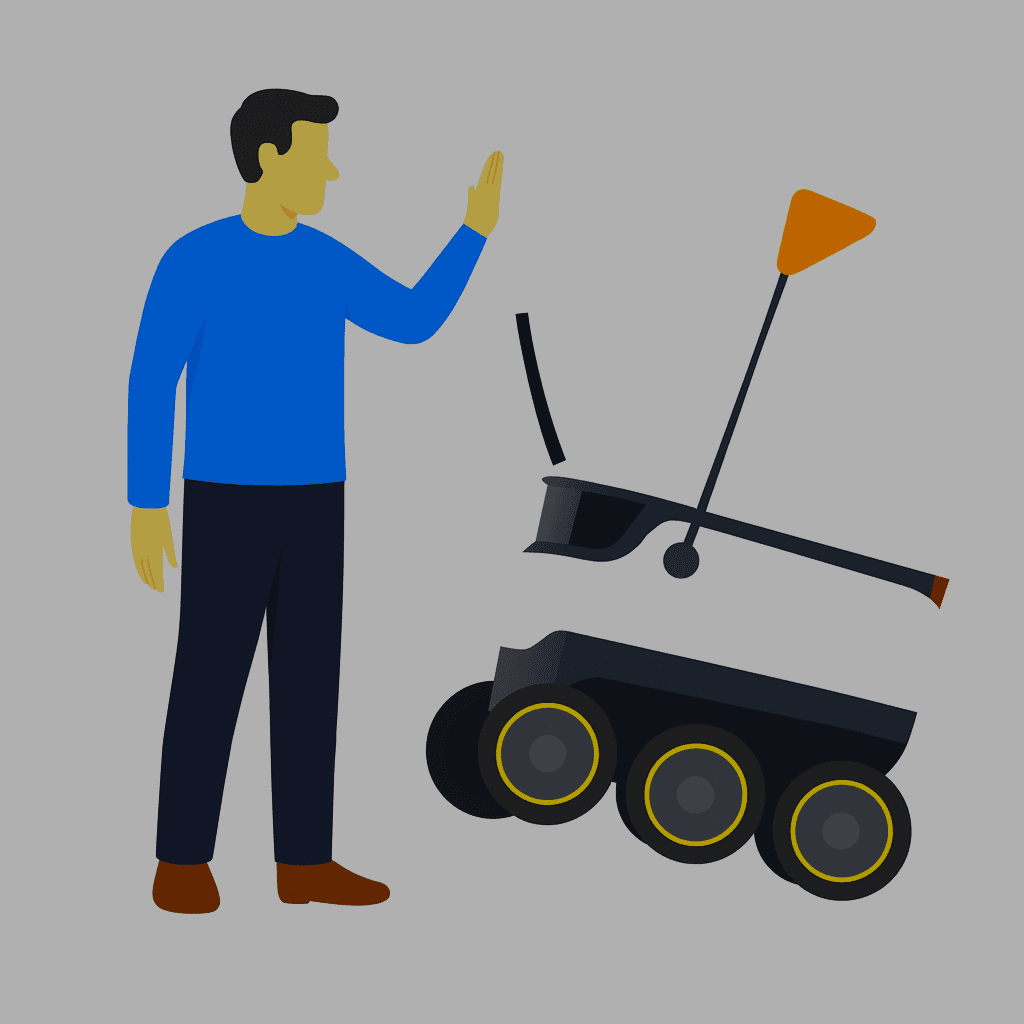
Severe weather events often disrupt campus operations and pose safety risks to students and staff. While the Purdue Emergency Preparedness and Planning team sends out Purdue ALERTS to inform the community about such events, the potential of Starship delivery robots operating daily across campus to assist during emergencies remains unexplored. This project aims to investigate how these robots can be leveraged for weather assessment and damage mitigation, ultimately enhancing campus safety and preparedness. We defined two key user groups: Primary users: Purdue students and faculty walking around the campus Secondary users: Starship app users
solution
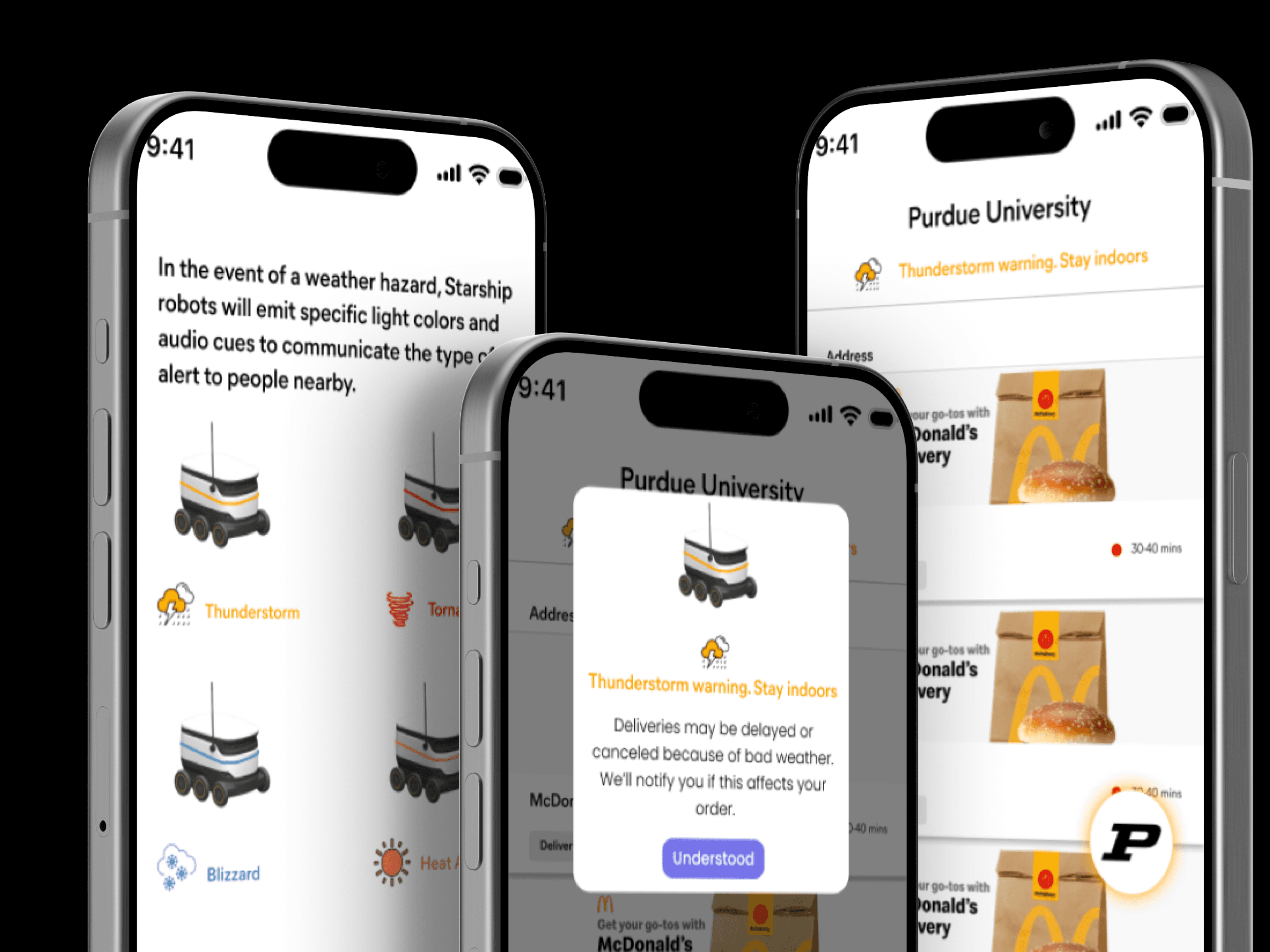
Designs were based on 2 personas. Persona 1 On-campus observers: Use of Audio and Visual cues on Starship robots to let nearby bystanders know about any upcoming weather event Persona 2 Starship App users: Intergrating Purdue ALERT which is a emergency brodcast tool used by Purdue University into the Starship app
In this project, we explored how Starship delivery robots, originally designed for autonomous delivery across the Purdue campus can be adapted to support emergency preparedness during severe weather events. The goal was to identify design opportunities that enhance their utility beyond delivery tasks, particularly for weather awareness, public communication, and damage mitigation.
You can also check out the full design documentation:
https://drive.google.com/file/d/1Wy50AtTMKW4kbV6mnCkYgcUwLTFTAlqo/view?usp=sharing
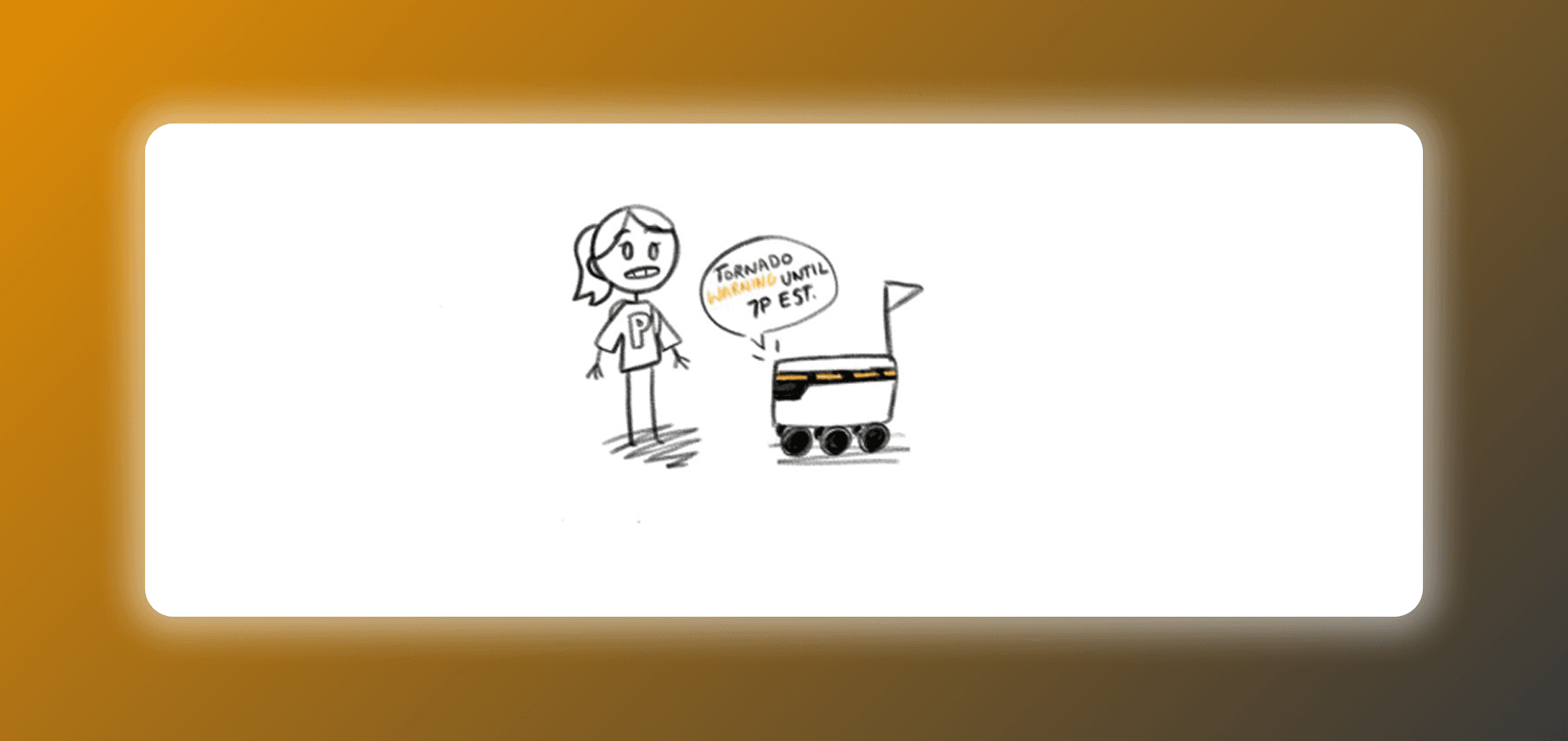
Our concept for first persona centered on using audio and visual cues to communicate weather alerts through Starship robots. Before beginning the design process, we developed a scenario to illustrate how these cues could support users during real situations. To guide our design decisions, we created a persona named Sarah, representing on-campus observers.
Scenario
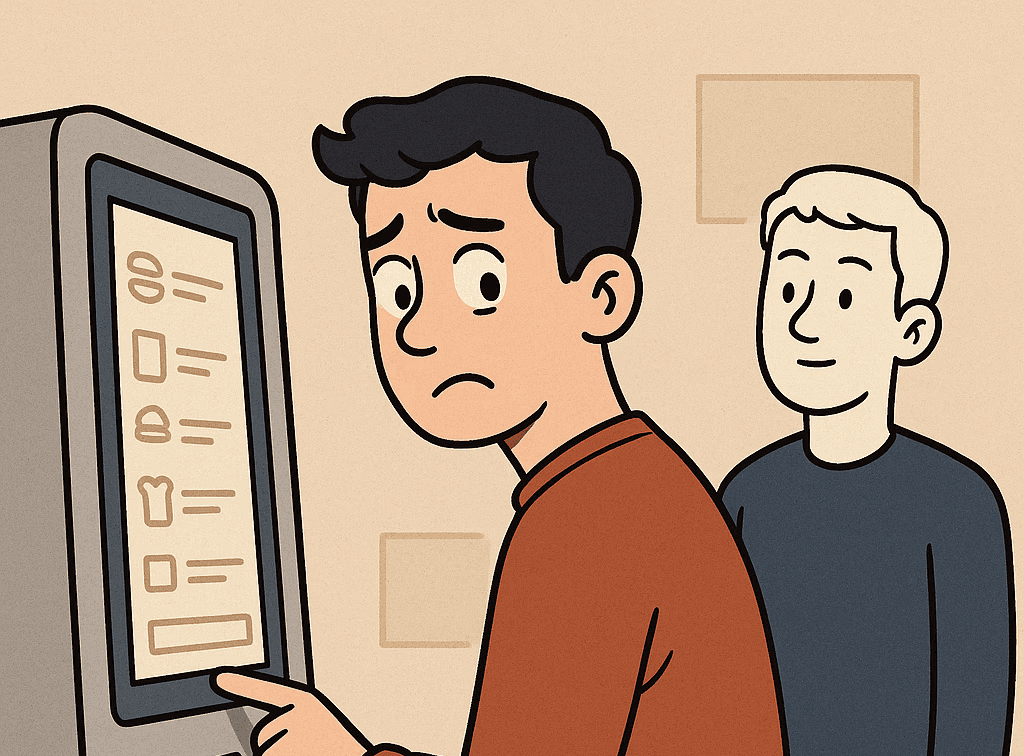
There is a Thunderstorm warning issued by Purdue Alert. The user missed the text alert from them. She is planning to meet some friends at campus after class. As she is going to campus she sees one of the Starship robots roaming around.
Ideation
We brainstormed ideas for integrating audio and visual alerts into Starship robots to help students stay informed about weather events. Our focus was to design low-impact modifications that enhance public awareness without disrupting the robot’s core functionality aligning with the goals of the Purdue Emergency Preparedness & Planning (PEPP) team.
Using Led lights on the robots.
Assigning distinct colors for hazards such as tornado, blizzard, or heat events, referencing National Weather Service color codes.
Using the same technology that these robots use to speak, give out short alert messages.
Our concept for this user group centered on integrating some type of alerts that would make the app users be aware of any upcoming weather event. Before beginning the design process, we developed a scenario to illustrate how these alerts could support users during real situations.
Scenario
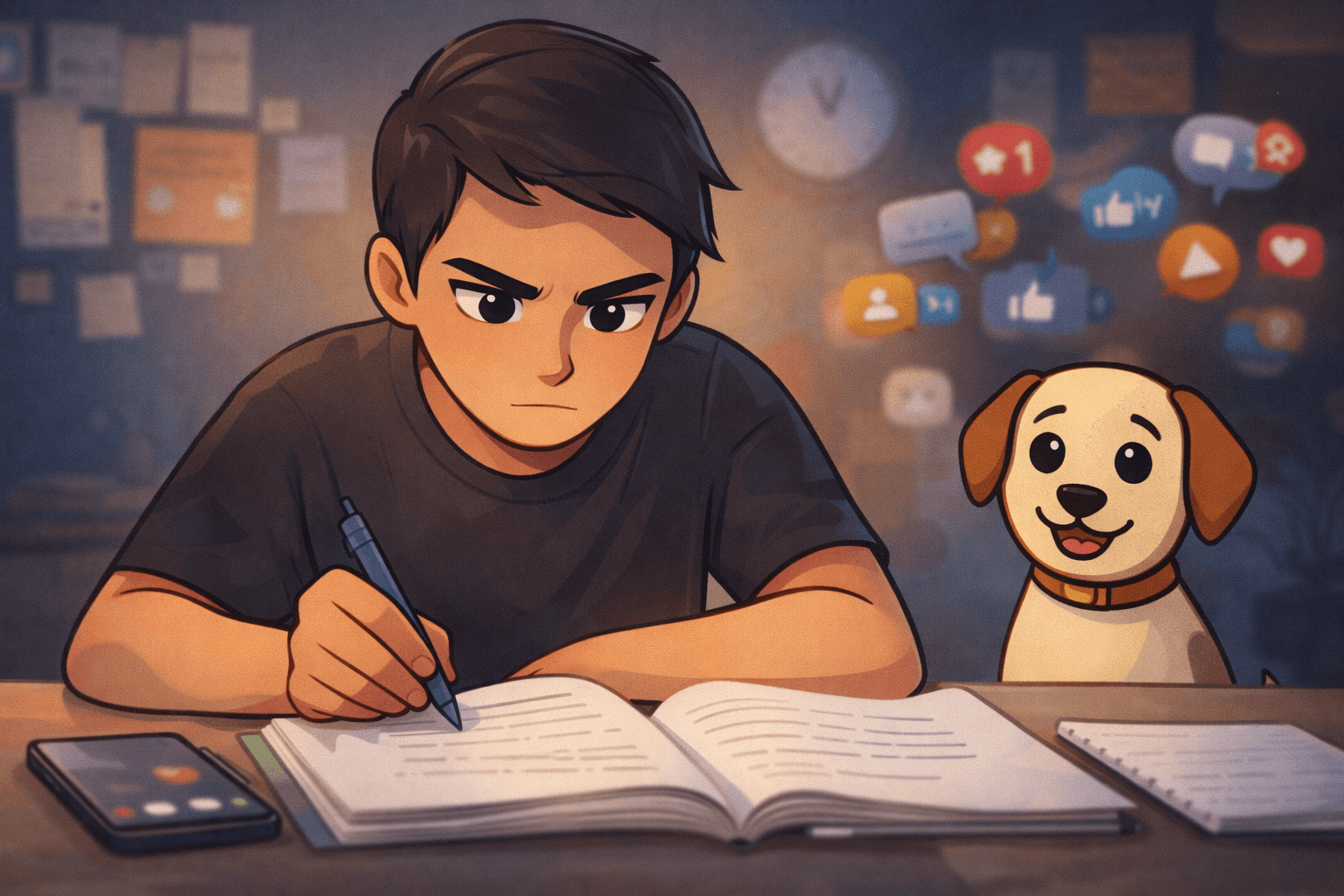
There is a Thunderstorm warning issued by Purdue Alert. The user is busy with his assignments and decides to order through Starship. The user missed the text from Purdue Alert.
Ideation
We brainstormed ideas for integrating alerts within the app to help students stay informed about weather events. Our focus was to design low-impact modifications that enhance public awareness without disrupting the app’s primary functionality with the goals of the Purdue Emergency Preparedness & Planning (PEPP) team.
An introductory overlay that appears when users open the app for the first time.
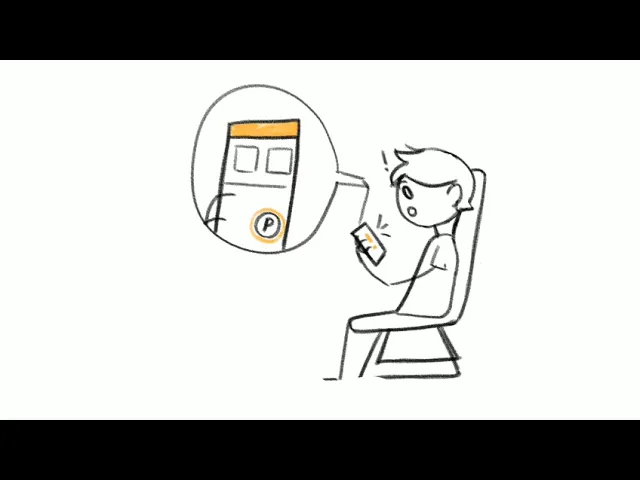
Showing the weather alert in the app using a Floating Action Button with Purdue Alert logo
year
2025
timeframe
25 days
Activities
Contextual Inquiry, User Interviews, Stakeholder Interviews, Secondary Research (Research papers), UI Design
category
UI/UX